Introduction
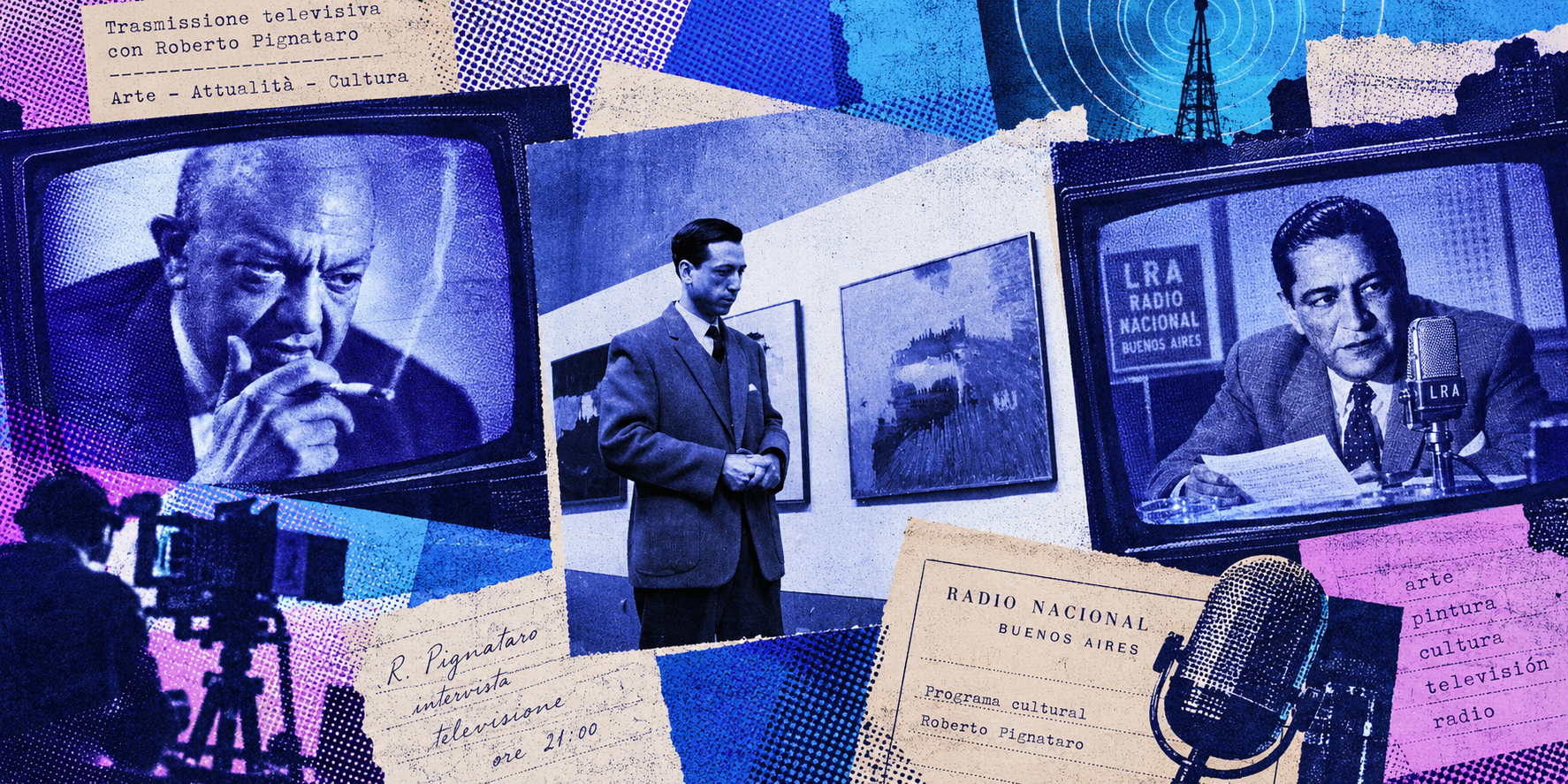
I previously wrote an article titled When the Media Noticed: Roberto Pignataro in Print, bringing together newspaper reviews that traced the critical response to his work from the early 1960s through the end of the 1970s. While researching that article, I set aside another group of documents concerning the radio and television programs in which his exhibitions and publications were discussed.
Between 1963 and 1969, critics including Amadeo Dell’Acqua, Jorge Romero Brest, Ernesto Ramallo, and Cayetano Córdova Iturburu mentioned or commented on Pignataro’s work through broadcasts reaching audiences across Argentina. Unlike newspaper criticism, however, these programs left behind no easily preserved record, and no audio or video recordings are presently known to survive.
What remains is fragmentary: typed excerpts, program information, archival memoranda, and a rare photograph taken directly from a television screen. Together, these traces recover another dimension of how Pignataro’s work entered the cultural conversation of the period—and how easily that history might otherwise have disappeared.
1963 — LRA Radio Nacional — Amadeo Dell’Acqua — Galería Peuser
Exhibition referenced: Roberto Pignataro at Salón J. Peuser, July 17–31, 1963
Program: Exposiciones en Buenos Aires, LRA Radio Nacional
Date: July 1963; surviving typescript dated July 27
•••
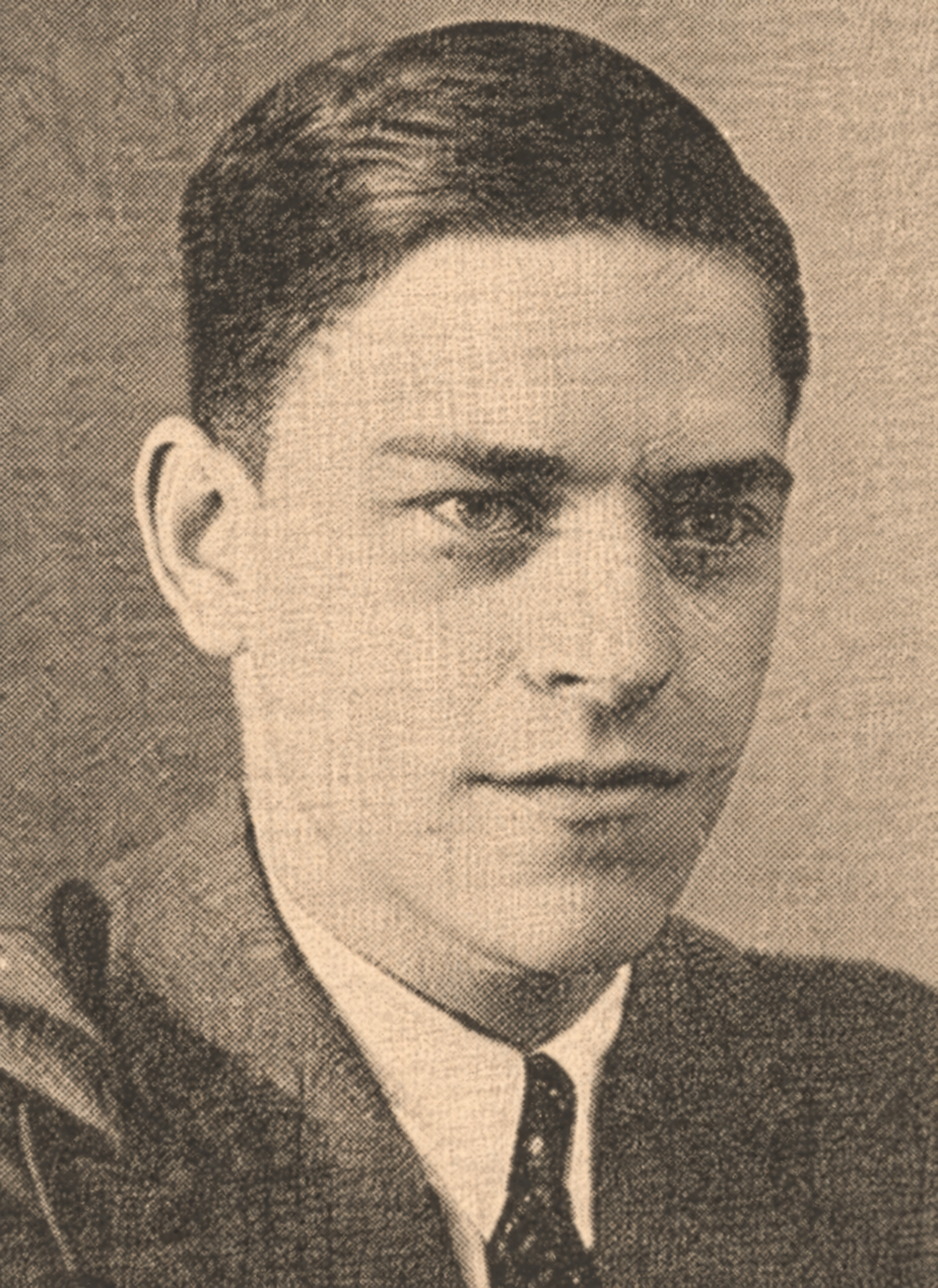
Amadeo Dell’Acqua (1905–1987), Argentine artist and art critic.
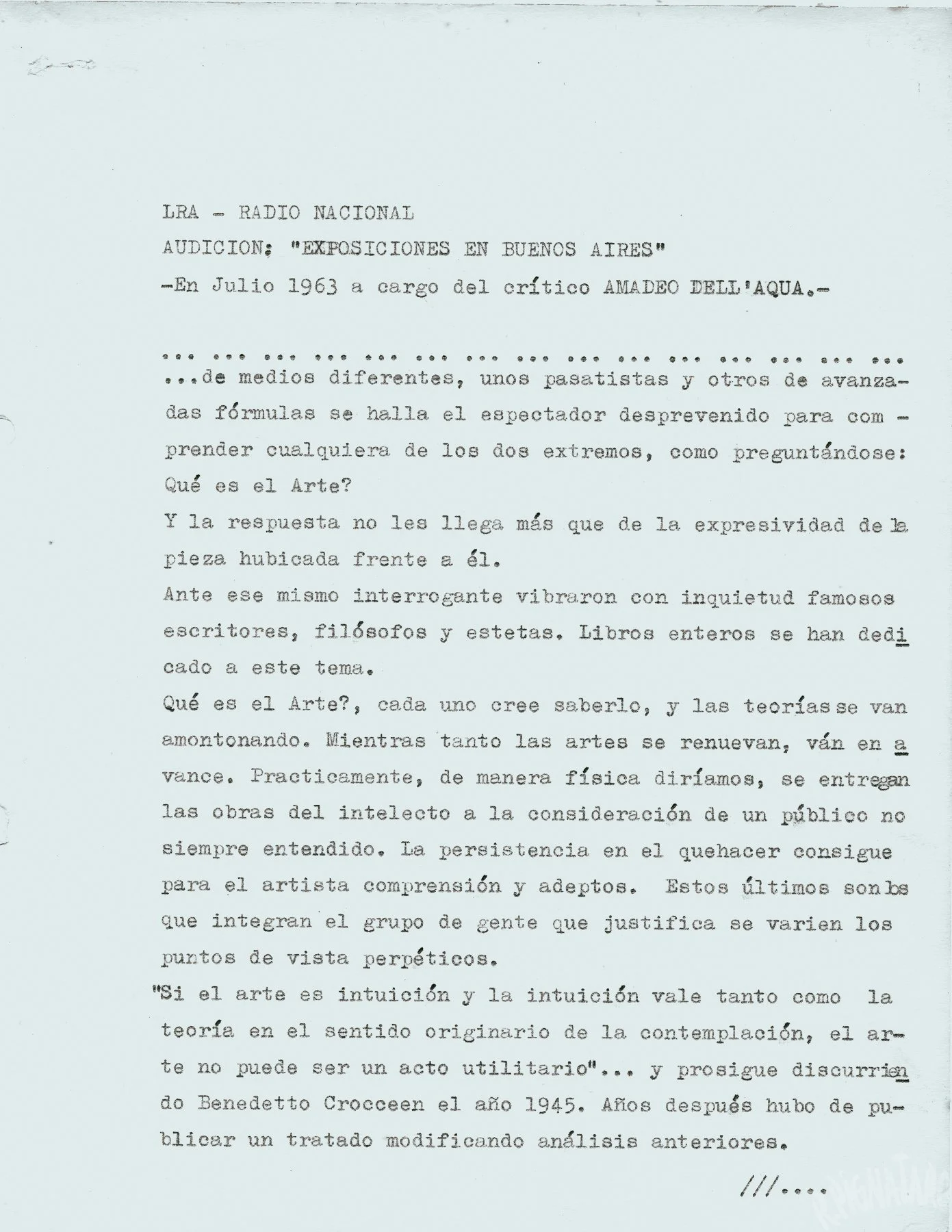
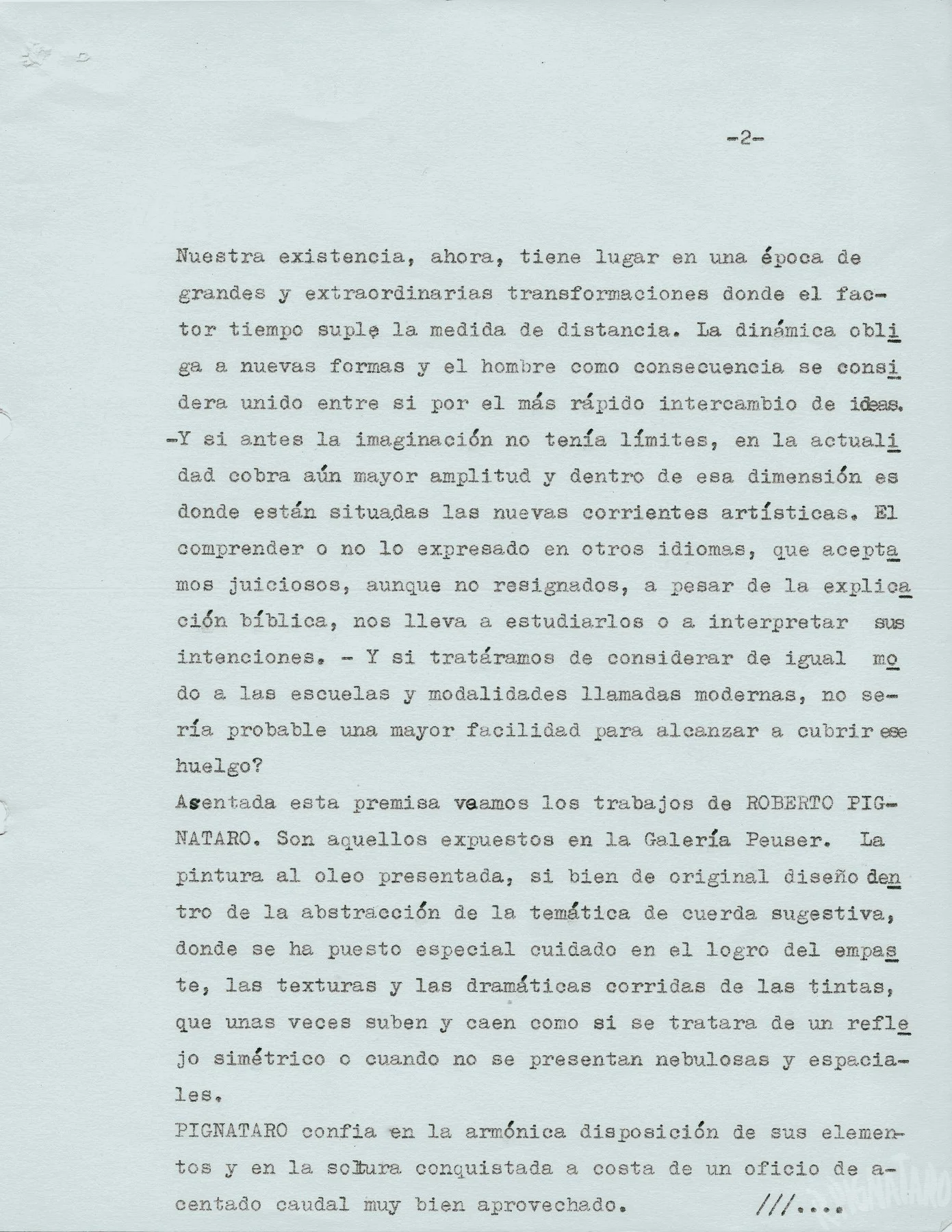
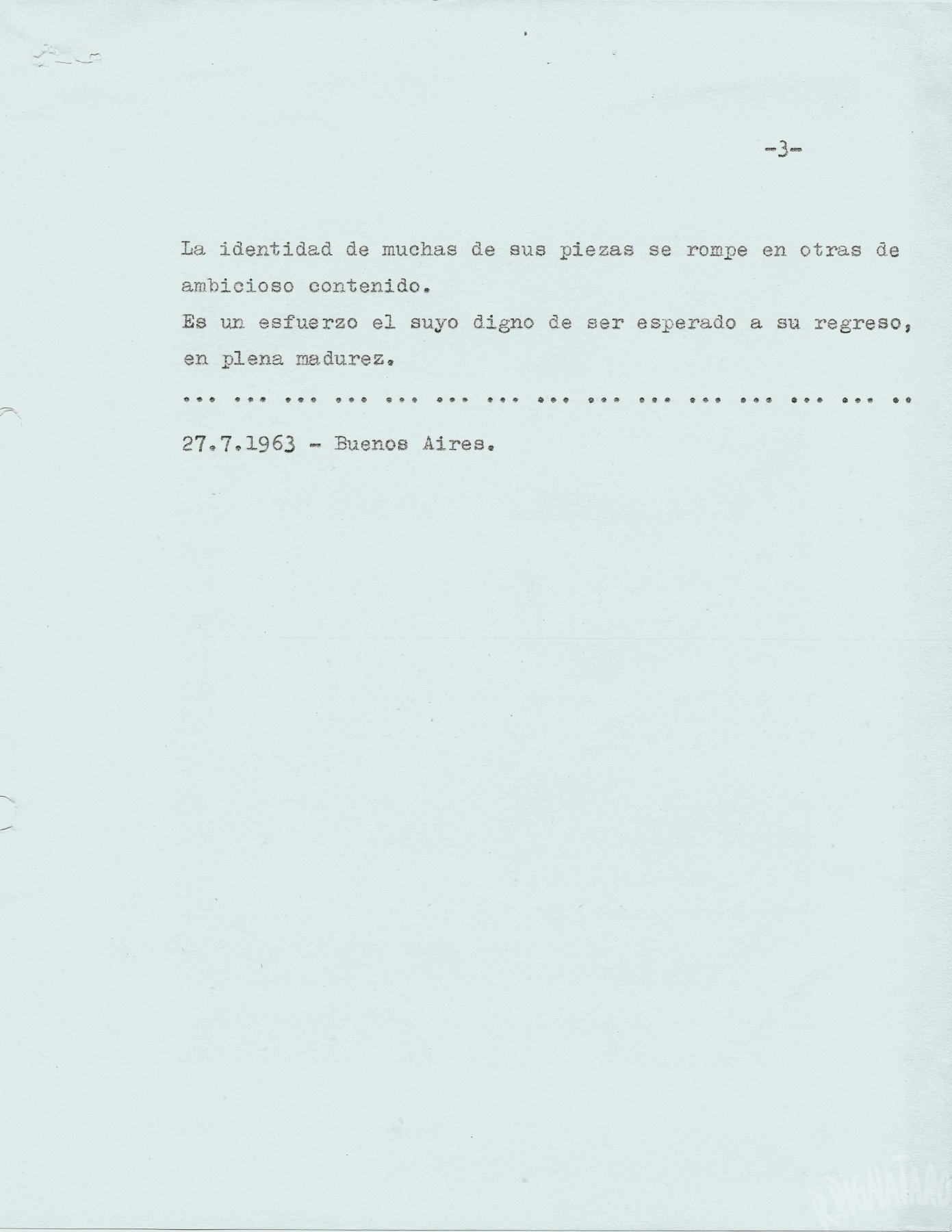
The earliest surviving broadcast commentary on Pignataro comes from Exposiciones en Buenos Aires, a program presented on LRA Radio Nacional by art critic Amadeo Dell’Acqua. The preserved document consists of three typed pages dated July 27, 1963.
Dell’Acqua begins with a broader reflection on the difficulty of understanding contemporary art during a period of rapid transformation. He then turns to the oil paintings Pignataro was exhibiting at Galería Peuser, drawing attention to their impasto, textures, movement of color, and spatial effects.
Surviving excerpt (translated from Spanish):
“Having established this premise, let us consider the work of Roberto Pignataro, now being exhibited at Galería Peuser. Although abstract in conception, these oil paintings display an original design and a suggestive thematic thread. Particular attention has been given to the impasto, the textures, and the dramatic movement of color, which at times rises and falls as though reflected symmetrically, and at others appears nebulous and spatial.
Pignataro relies upon the harmonious arrangement of his elements and upon the freedom achieved through a well-established command of his craft.”
Surviving Typescript: Three-page archival typescript; no audio recording presently known
1963 — Canal 9 — Jorge Romero Brest — Sábados Circulares
Exhibition referenced: Roberto Pignataro at Salón J. Peuser, July 17–31, 1963
Program: Sábados Circulares, Canal 9
Broadcast: August 24, 1963, between 3:30 and 4:00 p.m
Surviving record: Archival memorandum recording two references to Pignataro; no video recording presently known
•••
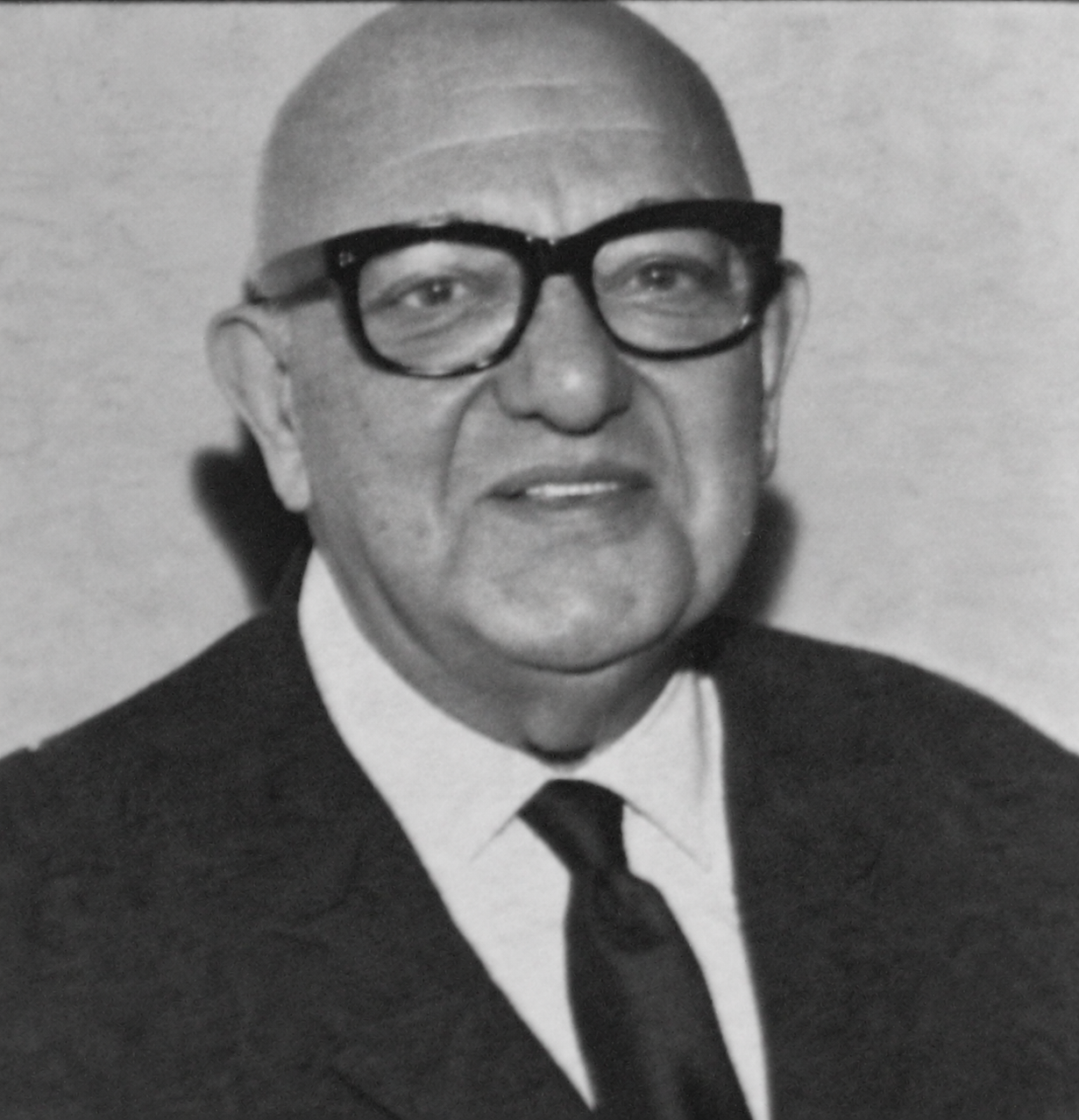
Jorge Romero Brest (1905–1989), influential Argentine art critic and director of the Museo Nacional de Bellas Artes.
Less than a month after Pignataro’s exhibition closed at Salón J. Peuser, his work received an unexpected mention on one of Argentina’s most widely watched television programs. During an interview conducted by Nicolás Mancera, Jorge Romero Brest—then director of the Museo Nacional de Bellas Artes—reportedly referred twice to Pignataro by name while discussing the July exhibition.
The surviving aide-mémoire states that Romero Brest identified Pignataro as a “valor de nueva promoción en la pintura argentina”—a noteworthy representative of a new generation in Argentine painting.
Aide-mémoire dated August 26, 1963, recording Jorge Romero Brest’s televised mention of Pignataro on Sábados Circulares.
Because no recording or independent transcript has been located, the aide-mémoire does not preserve Romero Brest’s complete remarks or exact televised wording. It nevertheless provides contemporaneous evidence that Pignataro’s exhibition had attracted the attention of one of the most influential figures in Argentine art.
1964 — LRA Radio Nacional — Amadeo Dell’Acqua
Exhibition referenced: Roberto Pignataro at Galería Peuser, July 7–22, 1964
Program: Exposiciones en Buenos Aires, LRA Radio Nacional
Broadcast: Saturday, July 18, 1964
Surviving record: Archive-preserved excerpt; no audio recording presently known
•••
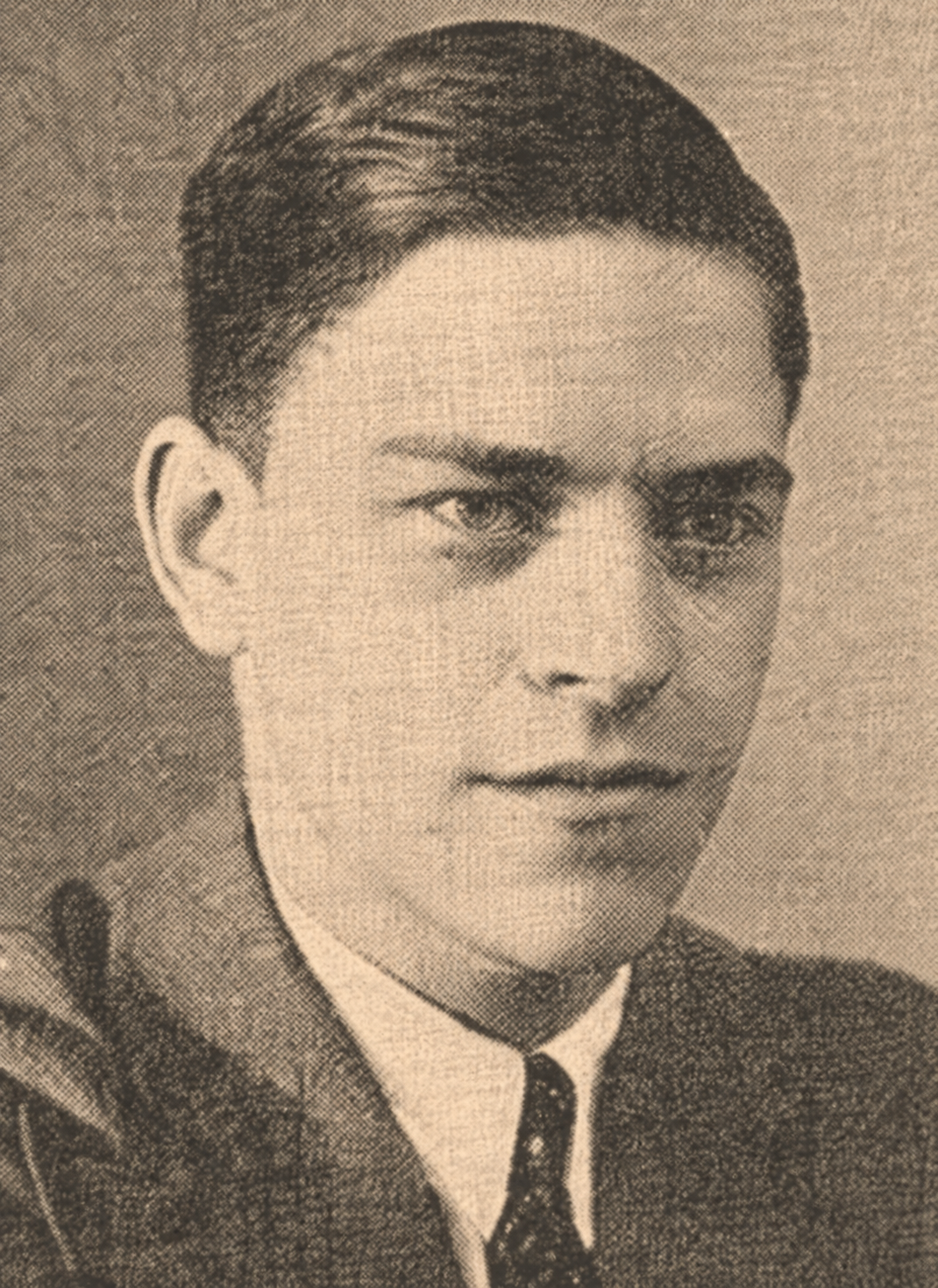
Amadeo Dell’Acqua (1905–1987), Argentine artist and art critic.
A year after his earlier Radio Nacional commentary, Amadeo Dell’Acqua returned to Pignataro’s work during the artist’s July 1964 exhibition at Galería Peuser. The surviving excerpt presents the new paintings as a continuation—and further distillation—of the conceptual direction Dell’Acqua had previously observed.
He describes Pignataro as reducing his visual means while preserving what remained essential to conveying his ideas. Particularly striking is Dell’Acqua’s attempt to situate the work in relation to new ways of seeing made possible by science and technology: microscopy, high-altitude flight, and optical distortion. For him, these expanded perceptions brought seemingly impossible worlds within reach and allowed abstraction to become concrete.
Surviving excerpt (translated from Spanish):
Roberto Pignataro persists, without substantial modification, in the conceptual direction he has established for himself. This is, we believe, his fifth exhibition at Galería Peuser.
A dimension of freedom opens before the viewer in the canvases of this symbolist painter. He clearly works with an understanding of the expressive value of the placement of each stroke and of the emotional suggestions produced by the opposing position of colors.
On this occasion, he demonstrates an intention to synthesize his work to the greatest possible degree, retaining only those resources that remained indispensable for conveying his message.
The microscope, high-altitude flight, optical distortions, and so many other developments of science have provided a group of men with the keyhole through which they contemplate incredibly novel future worlds. Yet the human mind, in its mysterious constitution, continues to surpass everything that appears impossible, transforming it into something real and bringing the most improbable abstraction into the realm of the concrete—for it is the idea that generates thought, and thought that constructs reality.
Pignataro persists in pursuing his conceptual truth. These are not private motivations given material form; on the contrary, he offers them openly and allows them to be seen with the honesty of someone displaying the outstretched palms of his hands.
Archive-preserved excerpt from Amadeo Dell’Acqua’s commentary on Pignataro’s 1964 Peuser exhibition, broadcast by LRA Radio Nacional on July 18, 1964.
1964 — Radio Porteña — Ernesto Ramallo
Exhibition referenced: Roberto Pignataro at Sala V, Galería Van Riel, October 1–15, 1964
Program: Notas de Arte de I.K.A., LS4 Radio Porteña
Broadcast: October 6, 1964
Surviving record: Archival memorandum; no audio or transcript presently known
•••
Art critic Ernesto Ramallo
Five days after Pignataro’s exhibition opened at Galería Van Riel, critic Ernesto Ramallo referred to it during his radio program Notas de Arte de I.K.A. The surviving memorandum establishes that the broadcast occurred but Pignataro adds an important qualification: “No se sabe en qué sentido”—the nature of Ramallo’s remarks was not known.
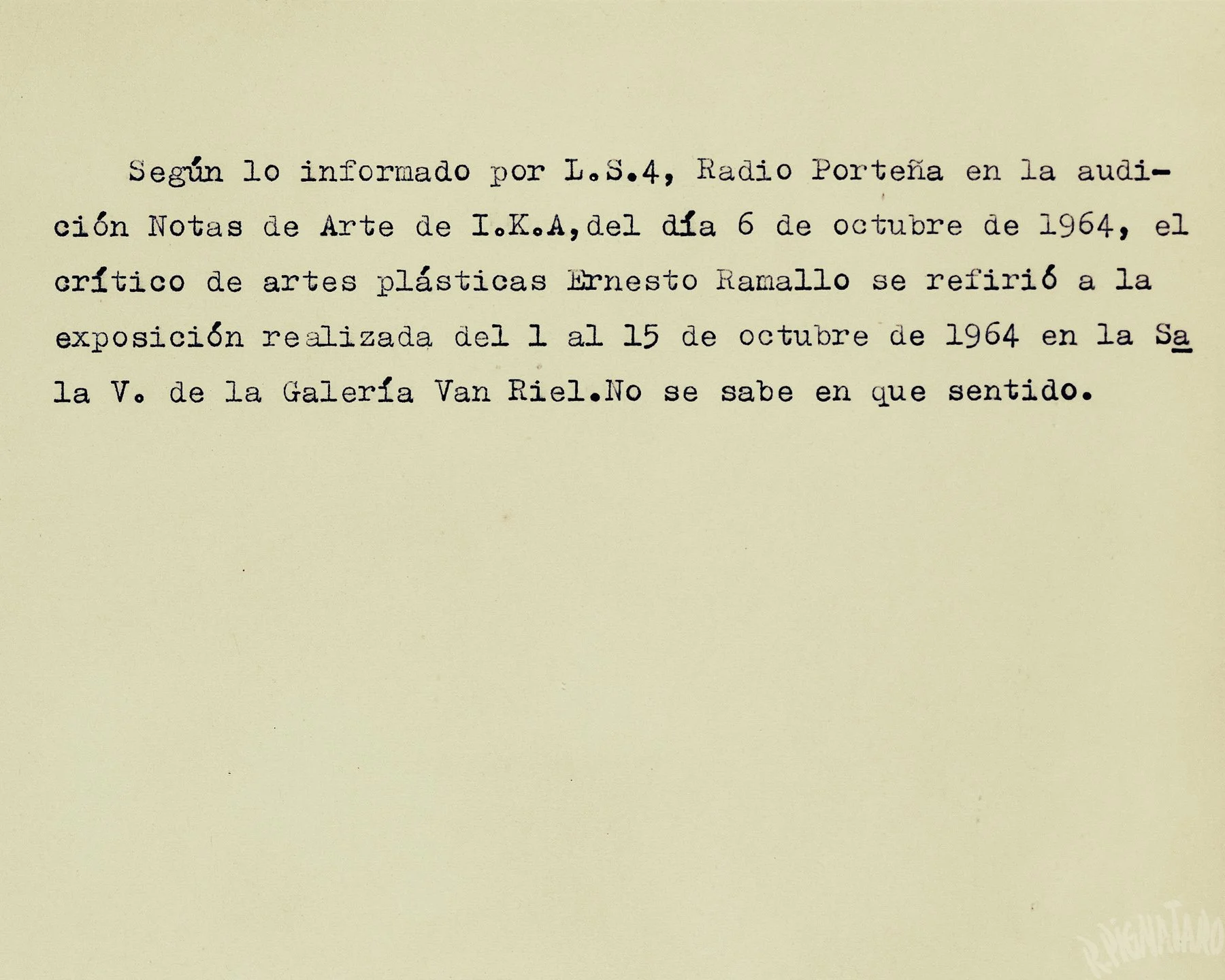
Archival memorandum recording Ernesto Ramallo’s mention of Pignataro’s Van Riel exhibition on LS4 Radio Porteña, October 6, 1964.
Unlike the Dell’Acqua documents, this record preserves none of the critic’s words and provides no basis for determining the nature of his commentary. Its value lies instead in documenting that the exhibition entered the contemporary radio coverage of the Buenos Aires art scene.
1961 — LS1 Radio Municipal — Cayetano Córdova Iturburu
Exhibition referenced: Roberto Pignataro at Sala V, Galería Van Riel
Program: Estos días y sus obras — Sección Artes Plásticas, LS1 Radio Municipal de la Ciudad de Buenos Aires
Broadcast: October 17, 1961
Surviving record: Archival typescript preserving a brief quotation; no audio recording presently known
•••
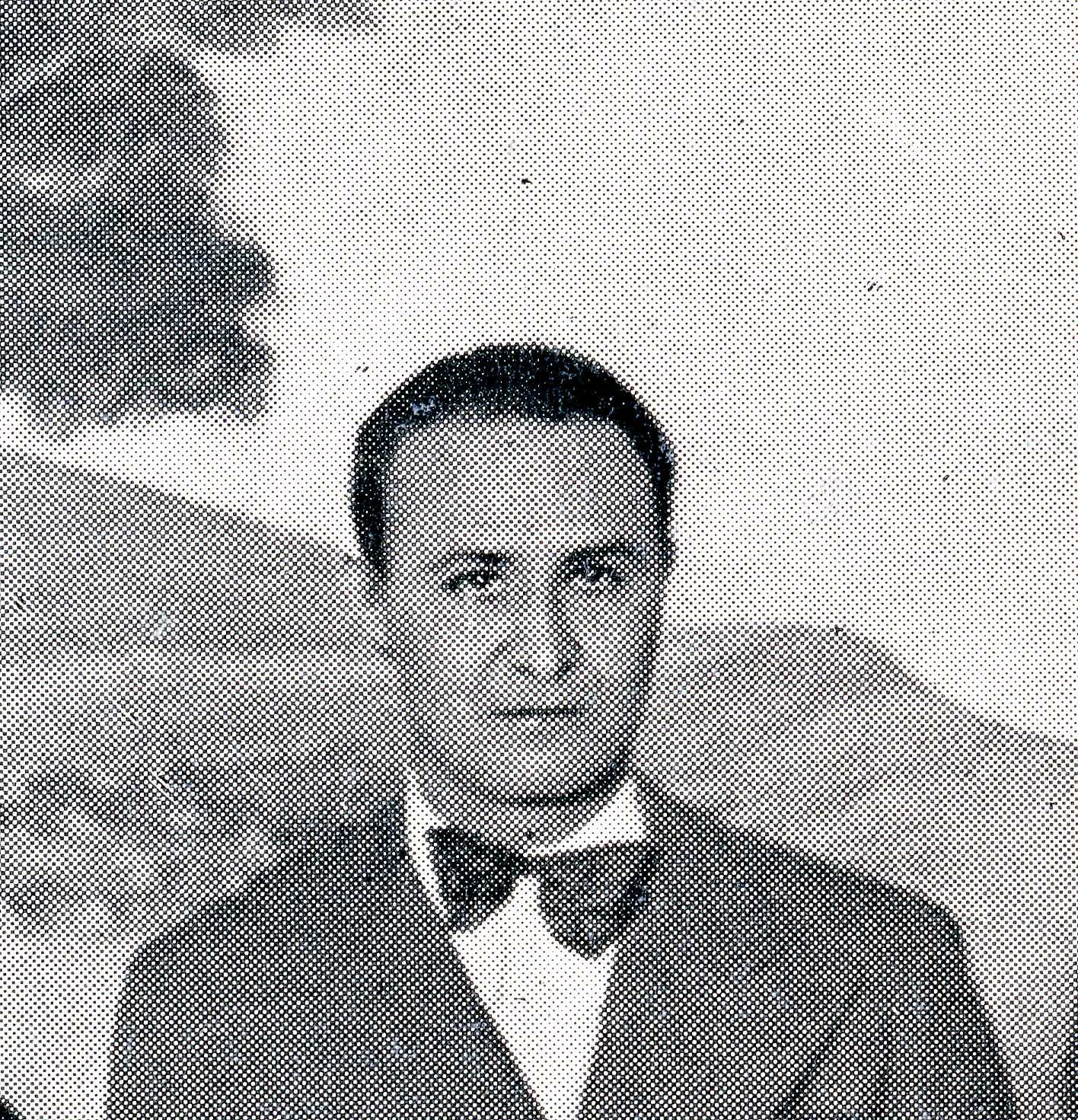
Cayetano Córdova Iturburu (1899–1977), Argentine writer, poet, journalist, and art critic.
The earliest broadcast reference presently documented in Pignataro’s archive dates to October 1961, when Cayetano Córdova Iturburu mentioned his exhibition at Galería Van Riel during the Radio Municipal program Estos días y sus obras.
The surviving archival note preserves only a brief statement, but unlike some of the later broadcast records, it records the critic’s words directly.
Surviving excerpt (translated from Spanish):
“A young artist of refined expression, Roberto Pignataro is exhibiting a group of beautiful non-figurative works in Sala V of Galería Van Riel, Florida 659, Buenos Aires.”
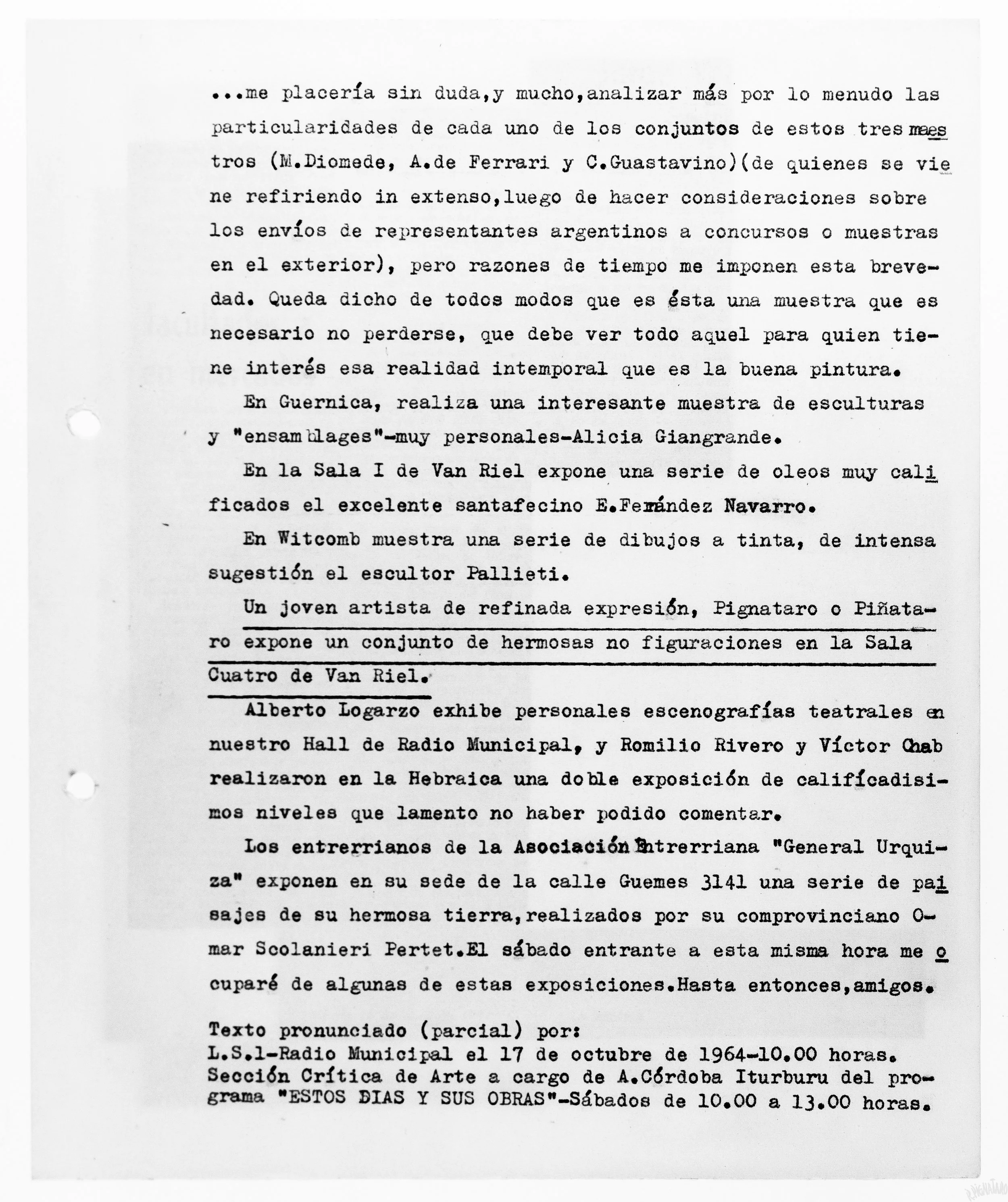
Archival typescript recording Cayetano Córdova Iturburu’s commentary on Pignataro’s Galería Van Riel exhibition, broadcast by LS1 Radio Municipal on October 17, 1961.
1969 — Canal 13 — Universidad del Aire
Exhibition referenced: Roberto Pignataro at Galería Lirolay, September 22–October 4, 1969
Program: Universidad del Aire, Canal 13
Section: Noticiero Cultural — “Artes Plásticas”
Broadcast: October 6, 1969
Surviving record: Archival memorandum describing the televised mention; no video recording presently known
•••
Two days after Pignataro’s exhibition at Galería Lirolay closed, it was mentioned on Canal 13 as part of Universidad del Aire, a cultural and educational television program broadcast by the station during this period. The surviving memorandum identifies the segment as part of the program’s Noticiero Cultural, under the section devoted to the visual arts.
According to the document, Pignataro’s exhibition was presented alongside two other exhibitions. The televised notice was brief, but the memorandum preserves the wording used on air:
Surviving excerpt (translated from Spanish):
“At Lirolay, Paraguay 794, Roberto Pignataro presents a series of his most recent oil paintings.”
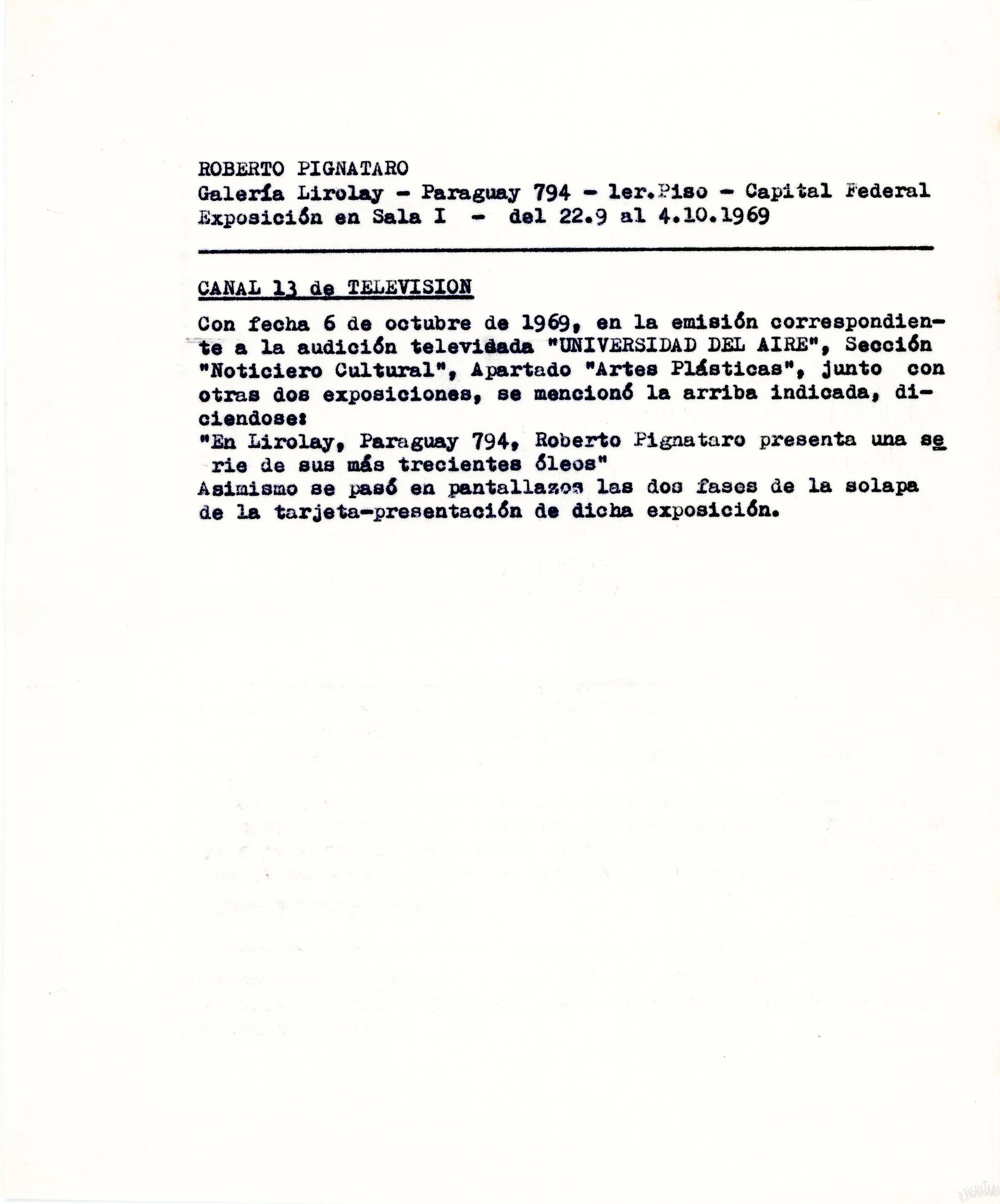
Archival memorandum recording the mention of Pignataro’s Galería Lirolay exhibition on Canal 13’s Universidad del Aire, broadcast October 6, 1969.
The document also records that both sides of the exhibition’s invitation card were shown on screen during the segment.
No individual presenter or critic is identified in the surviving memorandum, and no recording of the broadcast is presently known. Even so, the document provides evidence that Pignataro’s 1969 Lirolay exhibition entered the visual-arts coverage of one of Buenos Aires’s principal television channels.